Concrete Progressing Demystified: Necessary Details on Mudjacking and Polyjacking for Property owners
Concrete leveling is a crucial aspect of home upkeep, affecting both safety and security and appearance. Property owners frequently deal with the difficulty of deciding in between mudjacking and polyjacking for their concrete repair work needs. Each approach has its unique procedures and benefits. Comprehending these differences can lead to more enlightened options. As the discussion unravels, the ramifications of these techniques on long-lasting home stability come to be progressively substantial. What will home owners prioritize in their concrete repair remedies?
Understanding Concrete Leveling: Why It Issues
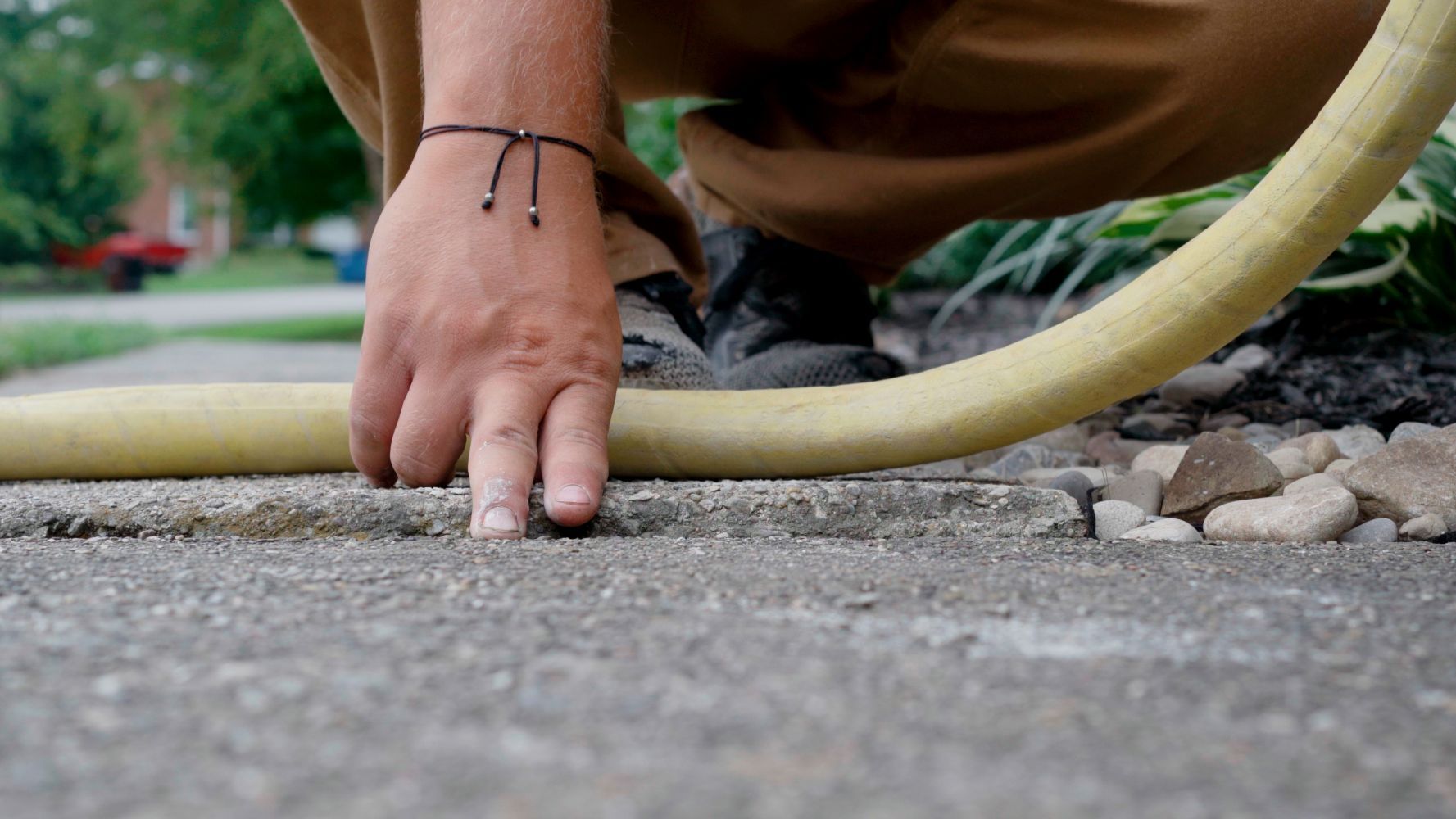
While many home owners might overlook the value of concrete progressing, understanding its importance is vital for preserving structural integrity and aesthetic charm. Uneven concrete surfaces can lead to different concerns, consisting of trip dangers, water pooling, and compromised structures. These troubles not just affect the security of site visitors and residents yet can likewise diminish the general value of a residential property.
Additionally, overlooking concrete leveling can lead to costly repair services in time, as the underlying sources of settling or sinking might worsen. Properly leveled concrete improves the performance of exterior spaces, driveways, and walkways, ensuring they remain aesthetically appealing and safe. In addition, addressing leveling problems without delay can stop more damages to nearby structures and landscape design. Home owners that focus on concrete progressing are making a smart investment in both their home's safety and its lasting worth, eventually adding to a much more functional and pleasurable living environment.
What Is Mudjacking?
Mudjacking is a concrete progressing method that includes infusing a blend of materials below sunken slabs to elevate and stabilize them. This procedure uses numerous benefits, consisting of cost-effectiveness and very little interruption to the surrounding area. It is specifically excellent for situations where concrete surface areas have resolved due to soil erosion or various other environmental elements.
Refine Introduction
When concrete pieces work out or sink, mudjacking emerges as a useful remedy to recover their level. The procedure involves injecting a combination, frequently made up of water, soil, and cement, underneath the sunken piece. Tiny holes are pierced right into the concrete surface area, permitting access for the injection. When the combination is pumped right into deep spaces, it expands and strengthens, properly lifting the slab back to its initial position - mudjacking vs polyjacking. This technique is not just efficient however likewise cost-effective contrasted to complete slab substitute. Mudjacking generally takes a couple of hours to complete, allowing home owners to use the surface quickly after the process ends. Overall, mudjacking offers a reputable approach for attending to irregular concrete surfaces
Advantages of Mudjacking
Although several house owners may not know with the term, mudjacking offers numerous significant benefits for addressing sunken concrete pieces. This method is affordable contrasted to finish piece replacement, making it an economical option for many. In addition, mudjacking is a fairly fast procedure, frequently needing very little downtime, which can be useful for busy houses. The method additionally promotes environmental sustainability, as it uses existing products instead than calling for brand-new concrete. Furthermore, mudjacking boosts safety and security and aesthetics by bring back the level of outdoor patios, driveways, and sidewalks, consequently preventing possible journey risks. Generally, mudjacking is a sensible remedy that improves property value while attending to underlying structural issues with efficiency and effectiveness.
Ideal Situations for Use
House owners facing issues with uneven concrete slabs usually find mudjacking to be a feasible remedy. This strategy is particularly effective for homes experiencing working out problems, such as sidewalks, outdoor patios, and driveways. Areas with small to moderate sinking are suitable candidates, as mudjacking restores the level without considerable disturbance. Furthermore, it is suitable for structures that have not sustained extreme damage, enabling for stablizing prior to further degeneration occurs. Mudjacking is likewise advantageous in circumstances where quick repairs are needed, as it normally calls for less time than substitute. Additionally, it is a cost-efficient option, particularly when contrasted to full concrete substitute. In general, mudjacking acts as a useful choice for home owners aiming to restore their concrete surfaces effectively.
The Mudjacking Refine: Step-by-Step
Mudjacking, a popular approach for lifting and stabilizing sunken concrete, involves a systematic process that assures reliable outcomes. The procedure starts with the assessment of the affected location, where specialists identify the degree of the sinking and the underlying concerns. Next, small holes see this are drilled right into the concrete piece, generally spaced a couple of feet apart. Following this, a specialized blend, often composed of concrete, soil, and water, is pumped into these openings under stress. This blend loads spaces beneath the slab and raises the concrete to its original position. Once the piece is raised, the openings are filled up and sealed to avoid water infiltration and more erosion. Lastly, the surface is smoothed, and house owners are advised to prevent heavy traffic on the newly leveled concrete for a short duration to ensure appropriate healing. This approach is minimally invasive and reliable, making it a favored selection for property owners attending to concrete concerns.
Advantages of Mudjacking
Countless benefits make mudjacking an attractive option for addressing sunken concrete. It is an affordable method compared to complete concrete replacement. Home owners can conserve substantial amounts of cash while restoring the functionality and appearance of their concrete surface areas. In addition, mudjacking is a fast procedure, typically finished within a couple of hours, permitting homeowners to resume regular tasks without long term disturbance.
Furthermore, mudjacking uses environmentally friendly products that lower environmental influence, making it a sustainable choice - mudjacking vs polyjacking. The strategy also supplies lasting results, efficiently addressing gaps beneath the concrete and protecting against future sinking. Considering that mudjacking requires marginal excavation, it protects the surrounding landscape, guaranteeing that gardens and hardscapes stay undamaged. The treatment can be applied to numerous surfaces, consisting of driveways, outdoor patios, and sidewalks, improving its flexibility. Collectively, these advantages placement mudjacking as a practical remedy for homeowners dealing with unequal concrete
What Is Polyjacking?
Polyjacking is a modern-day strategy utilized for training and stabilizing settled concrete slabs. This procedure includes injecting a specialized foam under the concrete, which broadens and fills voids, successfully elevating the surface area. Comprehending the advantages of polyjacking can offer insight into its growing popularity among specialists and home owners.

Polyjacking Refine Introduction
A prominent approach for concrete progressing, polyjacking entails injecting a specialized polyurethane foam underneath irregular pieces. The process begins with piercing tiny holes right into the impacted concrete surface. When the holes are developed, a technician inserts a pipe connected to a pump, which injects the broadening foam under the piece. As the foam expands, it loads spaces and raises the concrete to its initial placement. The material remedies quickly, typically within a couple of hours, permitting rapid use the surface. After the training process is complete, the holes are filled up and sealed to recover the concrete's look. Polyjacking is often favored for its effectiveness and very little disruption contrasted to conventional techniques of concrete repair.
Benefits of Polyjacking
The efficiency of polyjacking hinges on its ability to promptly bring back concrete surface areas with marginal interruption. This approach makes use of a high-density polyurethane foam that hardens and increases, giving a strong foundation for sinking concrete. Unlike typical mudjacking, polyjacking is lighter, decreasing the risk of additional settling. Additionally, it cures swiftly, allowing house owners to utilize their patio areas, driveways, or walkways practically promptly after application.
Polyjacking is also eco friendly, as the foam is composed of safe materials. Its resistance to water absorption assists avoid future damage from disintegration. The durability of polyjacking boosts its value, frequently outlasting other repair approaches. In general, polyjacking deals an effective, durable, and economical remedy for concrete leveling demands.
The Polyjacking Refine: Step-by-Step
Many homeowners seek reliable solutions for uneven concrete surface areas, and polyjacking has become a preferred choice. This technique includes a series of organized steps to restore concrete degrees. The area is assessed to recognize the level of the settling or lifting needed. Next, tiny holes are pierced into the impacted concrete slab to allow for polyurethane foam injection.
As soon as prepared, specialized equipment injects the foam beneath the piece, where it expands and loads gaps, successfully raising the concrete to its original setting. The development process is checked very closely to guarantee specific progressing. After the desired elevation is accomplished, any excess foam is cut away, and the drilled holes are secured. The concrete surface area is enabled to cure, ensuring a stable and long lasting coating. This effective procedure decreases disruption, making polyjacking an appealing option for property owners wanting to restore their concrete surface areas.
Comparing Mudjacking and Polyjacking: Which Is Right for You?
How can homeowners determine in between mudjacking and polyjacking for their concrete progressing requirements? To make an enlightened option, they must think about several factors, including price, speed of setup, and the underlying source of the concrete issue. Mudjacking typically makes use of a mixture of concrete, dirt, and various other materials, offering an affordable option for bigger, much more comprehensive jobs. It can take longer to cure and might not be appropriate for smaller gaps. - BAM Basements
On the other hand, polyjacking uses a light-weight polyurethane foam, which expands to load gaps rapidly. This technique has a tendency to be extra costly yet provides much faster treating times and much less disturbance to the surrounding area. Home owners should additionally assess their long-lasting demands; polyjacking typically offers greater durability and resistance to future settling. Eventually, talking to a specialist can help house owners establish the very best technique for their details scenario.
Regularly Asked Concerns
The Length Of Time Does Concrete Leveling Generally Last After the Refine?
Concrete leveling commonly lasts between 5 to ten years, depending on aspects such as dirt problems, climate, and maintenance. Punctual repair services and regular inspections can extend the life-span of the leveling process substantially.
Can I Do Mudjacking or Polyjacking Myself?
Polyjacking and mudjacking can be attempted by home owners with the right devices and expertise. However, expert assistance is typically recommended to ensure safety, efficiency, and durable results, as the procedures can be complicated and difficult.
What Are the Prices Connected With Mudjacking and Polyjacking?
Prices connected with mudjacking and polyjacking generally vary from $300 to $1,500, depending on the dimension and intricacy of the job. Property owners ought to think about extra elements like products and labor when estimating total costs.
How Do I Know if My Concrete Demands Leveling?
Signs that concrete needs leveling consist of visible cracks, uneven surface areas, pooling water, and gaps in between pieces. Property owners ought to frequently inspect pathways, driveways, and foundations for these signs to figure out if leveling is necessary.
Will Concrete Leveling Affect My Landscaping or Bordering Structures?
Concrete leveling can potentially influence landscaping and surrounding frameworks, as the procedure might create soil displacement or activity. Home owners should examine their surroundings and seek advice from professionals to minimize any kind of feasible influence on their building.